


The official MapLibre Native Android SDK offers Android developers direct access to MapLibre Native capabilities. Built for Java and Kotlin, it provides high-performance vector map rendering, offline map support, and comprehensive mapping features without requiring additional frameworks. The SDK includes full Android lifecycle management and MapView components.
Quick start
implementation("org.maplibre.gl:android-sdk:13.6.1")import android.os.Bundle
import androidx.appcompat.app.AppCompatActivity
import org.maplibre.android.MapLibre
import org.maplibre.android.camera.CameraPosition
import org.maplibre.android.geometry.LatLng
import org.maplibre.android.maps.MapView
class MainActivity : AppCompatActivity() {
private lateinit var mapView: MapView
override fun onCreate(savedInstanceState: Bundle?) {
super.onCreate(savedInstanceState)
MapLibre.getInstance(this) // before creating the MapView
mapView = MapView(this)
setContentView(mapView)
mapView.onCreate(savedInstanceState)
mapView.getMapAsync { map ->
map.setStyle("https://tiles.openfreemap.org/styles/liberty")
map.cameraPosition = CameraPosition.Builder()
.target(LatLng(20.0, 0.0))
.zoom(2.0)
.build()
}
}
// MapView must receive the activity's lifecycle callbacks
override fun onStart() { super.onStart(); mapView.onStart() }
override fun onResume() { super.onResume(); mapView.onResume() }
override fun onPause() { super.onPause(); mapView.onPause() }
override fun onStop() { super.onStop(); mapView.onStop() }
override fun onLowMemory() { super.onLowMemory(); mapView.onLowMemory() }
override fun onDestroy() { super.onDestroy(); mapView.onDestroy() }
override fun onSaveInstanceState(outState: Bundle) {
super.onSaveInstanceState(outState)
mapView.onSaveInstanceState(outState)
}
}›Setup noteschecked with v13.6.1
The latest stable release is 13.6.1 (Maven Central). Ignore 13.6.1-pre0: it is a pre-release, even though maven-metadata lists it as newest. The official quickstart's example version (11.8.0) is out of date. Groovy DSL: implementation 'org.maplibre.gl:android-sdk:13.6.1'. The repository is mavenCentral(). Since 13.0.0, android-sdk renders with Vulkan. For OpenGL ES, use org.maplibre.gl:android-sdk-opengl (same version). Call MapLibre.getInstance(context) before the MapView is created or inflated. The official quickstart inflates a <org.maplibre.android.maps.MapView> from XML. This snippet creates the MapView in code with the public MapView(Context) constructor, so no layout file is needed. MapView's javadoc says onCreate(savedInstanceState) and every lifecycle method must be forwarded (the official test app does this; the quickstart skips onCreate). LatLng takes latitude first.
More platforms on Get started.
Used by 64 products
See all →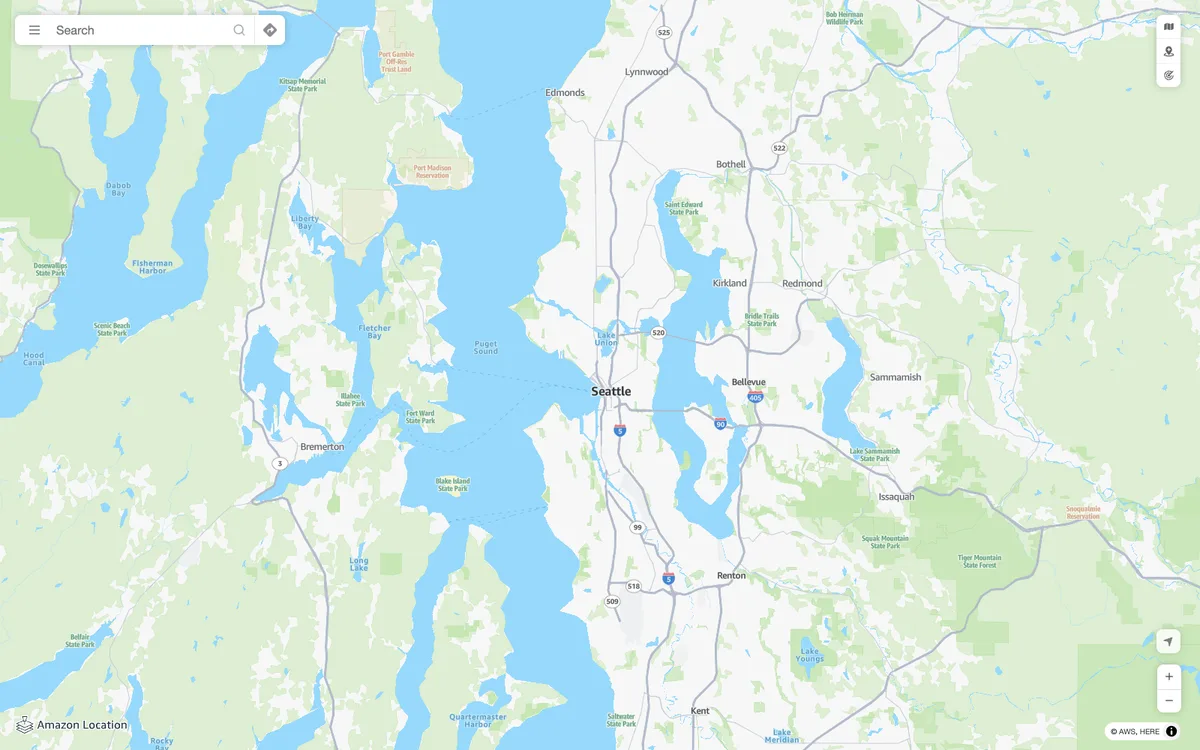

Amazon Location Service
Amazon Location's web components and examples are powered by MapLibre GL JS and Native.
GL JS + Native · Web, Android, iOS, Server

Jawg
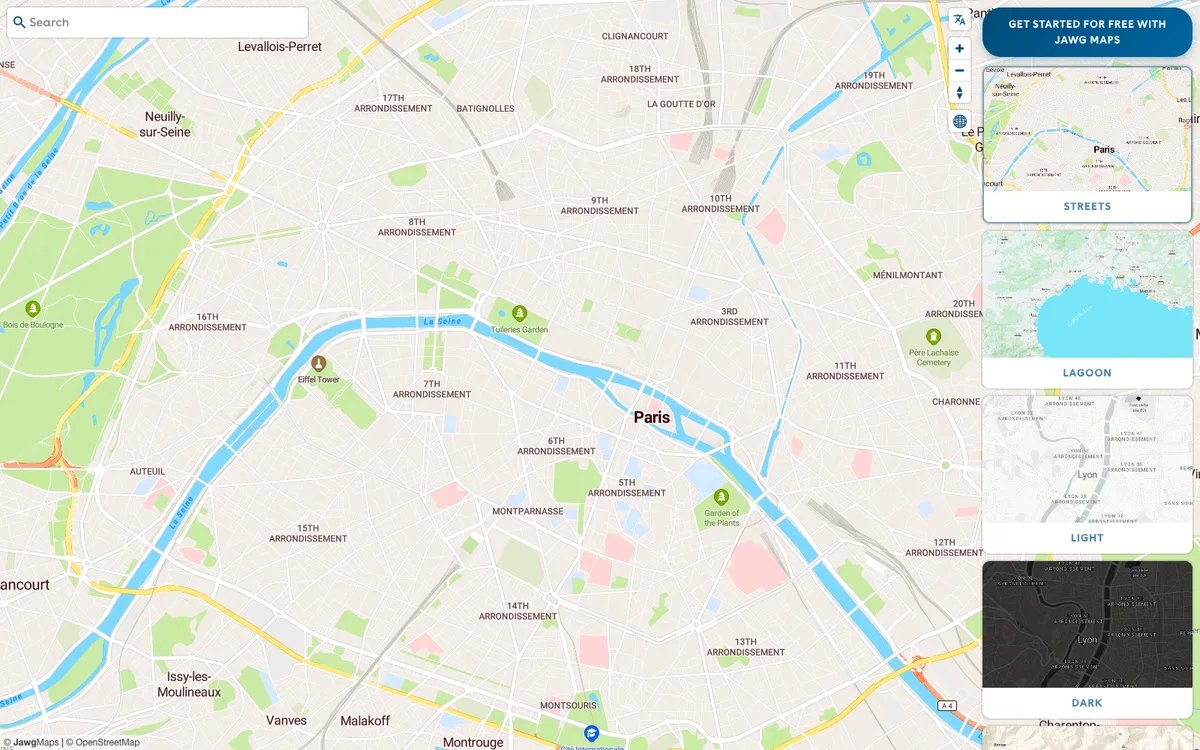
French provider Jawg builds a full location stack; its JS library and demo playground run on MapLibre GL JS, while mobile SDKs integrate MapLibre Native.
GL JS + Native · Web, Android, iOS, Server

Radar
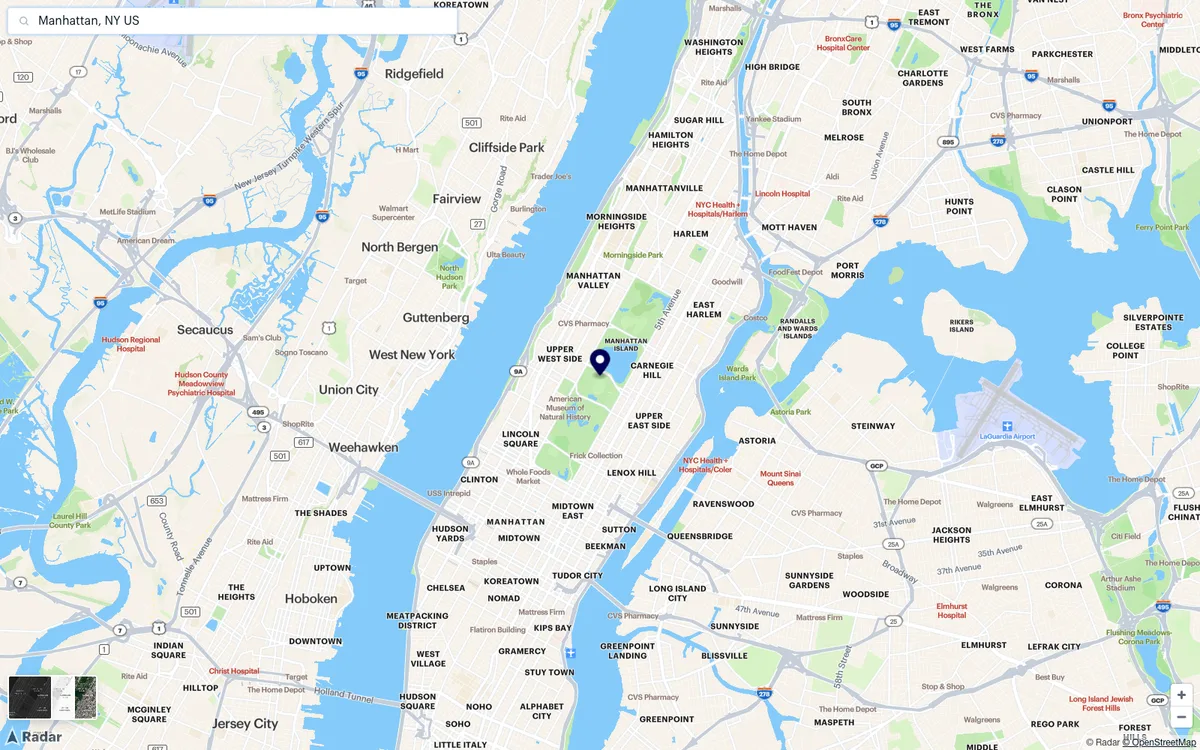
Radar's Maps Platform is a cost-effective Google Maps alternative. Their web dashboards rely on MapLibre GL JS, while mobile SDK examples integrate MapLibre Native.
GL JS + Native · Web, Android, iOS, Server

Immich
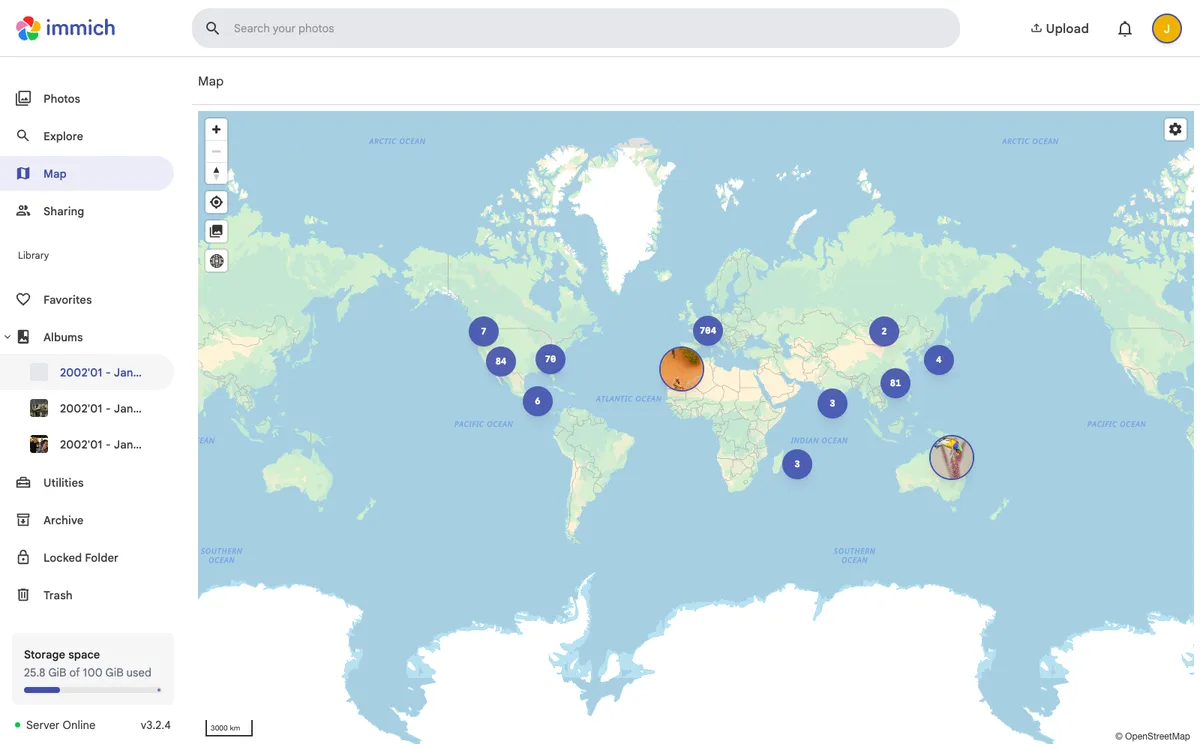
Immich is a high-performance, self-hosted photo and video management solution. It renders an interactive map of geotagged photos with MapLibre in both its web app and mobile apps.
GL JS + Native · Web, Android, iOS

Mapeak
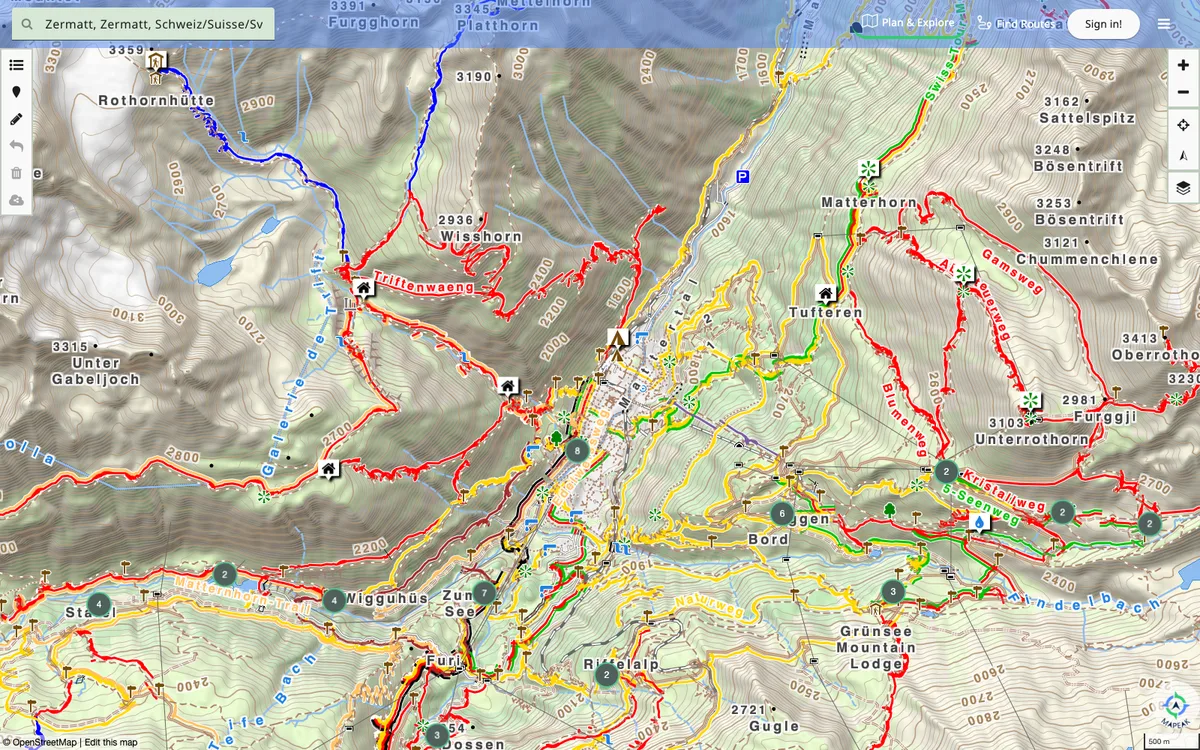
Mapeak, formerly Israel Hiking Map, is a navigation app for hiking, biking, and running with offline maps updated daily and online maps refreshed three times a day. It supports open data by enabling users to upload images to Wikimedia and contribute to OpenStreetMap.
GL JS + Native · Web, iOS, Android

Stadia Maps
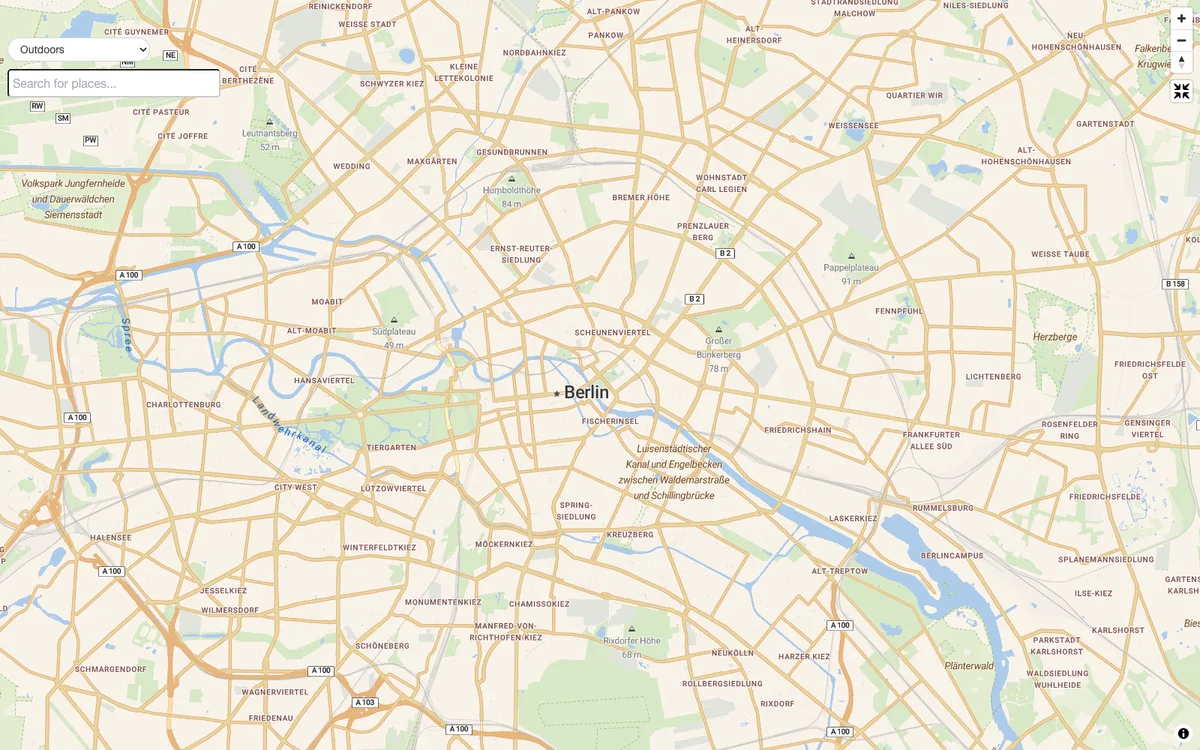
Stadia Maps serves global vector tiles and provides SDKs; its demos and reference apps render tiles with MapLibre Native for mobile and MapLibre GL JS on the web.
Native + GL JS · Web, Android, iOS, Server